

Research has shown 95% of parents with overweight kids don’t realize their child is overweight, which may influence their readiness to make needed habit changes.
Compairing modern day 2017 recreation of the iconic “Lunch atop a Skyscraper” photograph, it struck me how much heavier the men in the recreated photo are compared to the men in the original photo.
I’ve had conversations with friends, who after looking back at childhood photos, are surprised by how thin we looked then compared to today’s children.
What’s going on?
There has been a generation shift in perceptions of overweight
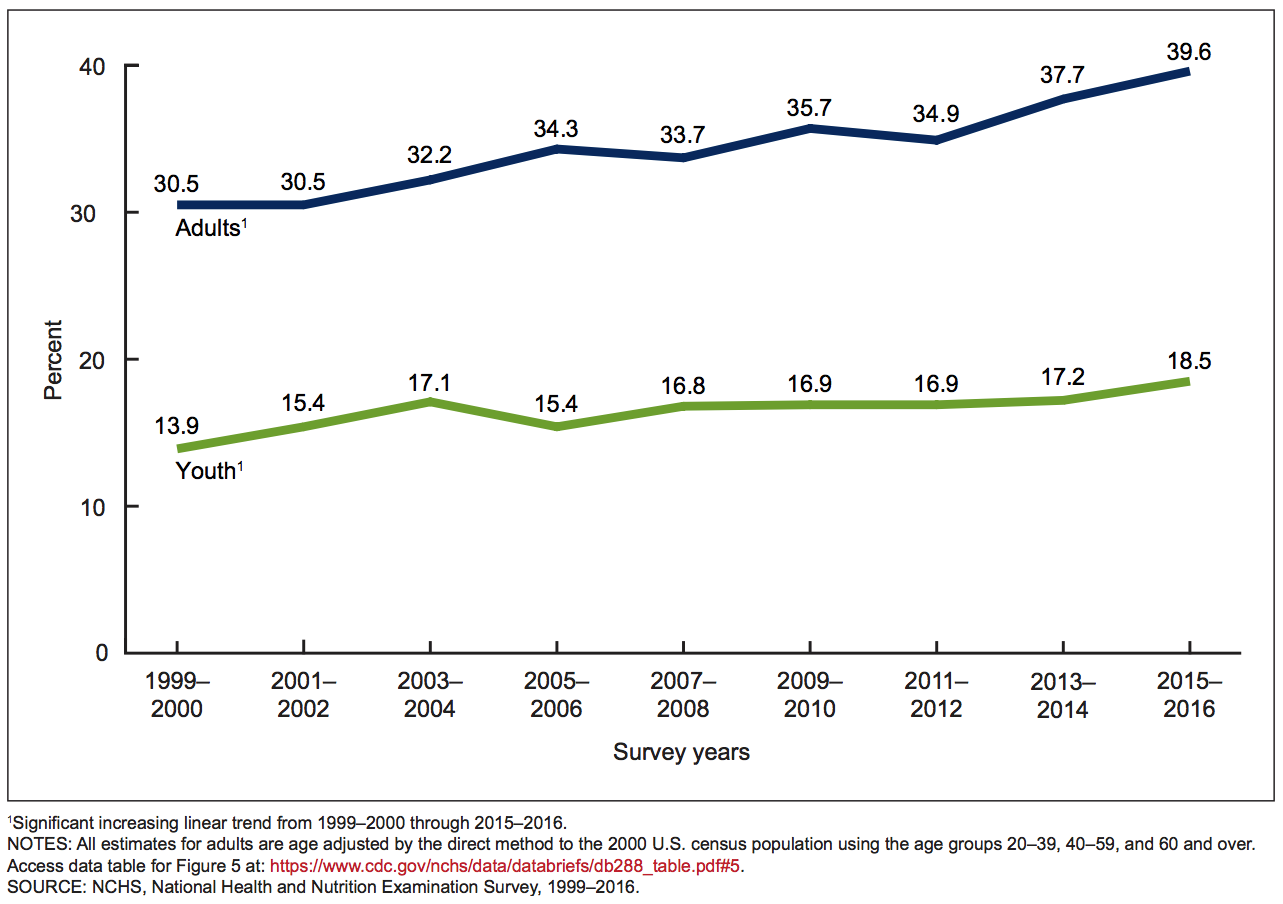
The percentage of US children and adolescents affected by obesity has more than tripled since the 1970s.
One of every three children is now overweight or obese, but 95% of the parents with overweight kids believe their child’s size is “just about right” and nearly 78% of parents with obese children also believe their child’s size is “just about right.” (1)
Researchers, led by Dustin T. Duncan, an assistant professor in the Department of Population Health at NYU Langone Medical Center, found the ability of parents to correctly perceive their child’s weight has declined by 30% over the past 30 years. (1) They compared National Health and Nutrition Examination Surveys taken between 1988 – 1994 to surveys taken between 2007 – 2012.
Both surveys collected data on more than 3,000 children. Parents were asked “Do you consider [child’s name] to be: overweight, underweight, just about the right weight, or don’t know?” Each parent’s response was compared to his or her child’s actual data on a standard growth chart.
“Most parents can no longer tell what a healthy weight looks like, and their doctors aren’t helping them to understand.” Dustin T. Duncan, assistant professor in the Department of Population Health at NYU Langone Medical Center
As American adults have become heavier, with nearly 40% now obese, parents have lost their ability to recognize what a healthy weight looks like in children.
Parents are comparing their children to their peers and friends rather than the absolute scale of growth charts. Others distrust growth charts or believe they are ethnically biased and invalid. (2)
How are overweight and obesity defined in childhood and adolescents?
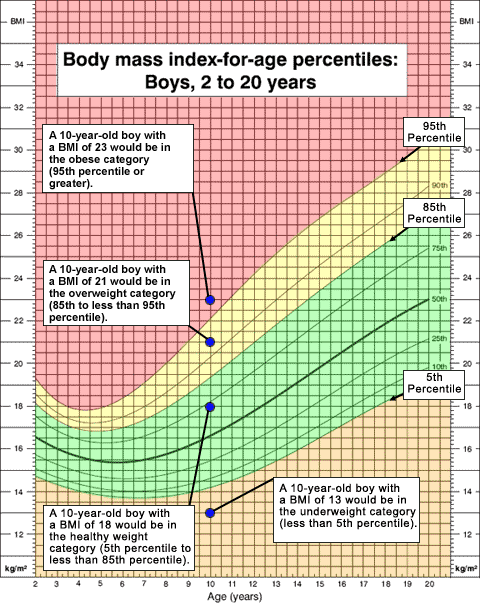
Correctly evaluating your child’s weight is important. Pediatricians calculate your child’s BMI (Body Mass Index) and analyze the number using a BMI-for-age growth chart or table. There are separate charts and tables for boys and girls.
<5th percentile indicates underweight
5th to <85th percentile indicates healthy weight
85th to <95th percentile indicates overweight
≥ 95th percentile indicates obesity
Health risks associated with childhood and adolescent overweight
When children gain too much weight, their risks are increased for
diabetes
cancer
heart disease
high blood pressure
high cholesterol and triglycerides
stroke
breathing problems such as asthma and sleep apnea
developing bone and joint problems
being obese as an adult
It’s important for parents to recognize when their child has reached an unhealthy weight and take action. Parents are uniquely qualified to provide the structure and guidance needed to help children achieve a healthy weight and reduce her risks for health problems, now and in the future.
To learn more about what to do when your child is overweight, see my sister website pediatricweightmanagement.com.
1. Duncan DT, Hansen AR, Wang W, Yan F, Zhang J. Change in Misperception of Child’s Body Weight among Parents of American Preschool Children. Child Obes. 2015 Aug;11(4):384-93. doi: 10.1089/chi.2014.0104. Epub 2015 Apr 30. https://pubmed.ncbi.nlm.nih.gov/25928301/
2. Andrew R. Hansen, Dustin T. Duncan, Yelena N. Tarasenko, Fei Yan, Jian Zhang. Generational Shift in Parental Perceptions of Overweight Among School-Aged Children. Pediatrics Sep 2014, 134 (3) 481-488; DOI: 10.1542/peds.2014-0012 https://pediatrics.aappublications.org/content/134/3/481


0 Comments